
Yoga Shorts Packs: Keep Pocket Details Traceable
For pocketed yoga shorts, connect the selected style and pocket layout to the packing reference before approving labels. Review the unfolded garment, its folded presentation and the outside identifier together. A bag marked only with colour and size can conceal a wrong style, and a photograph showing a pocket does not establish its capacity or retention performance.
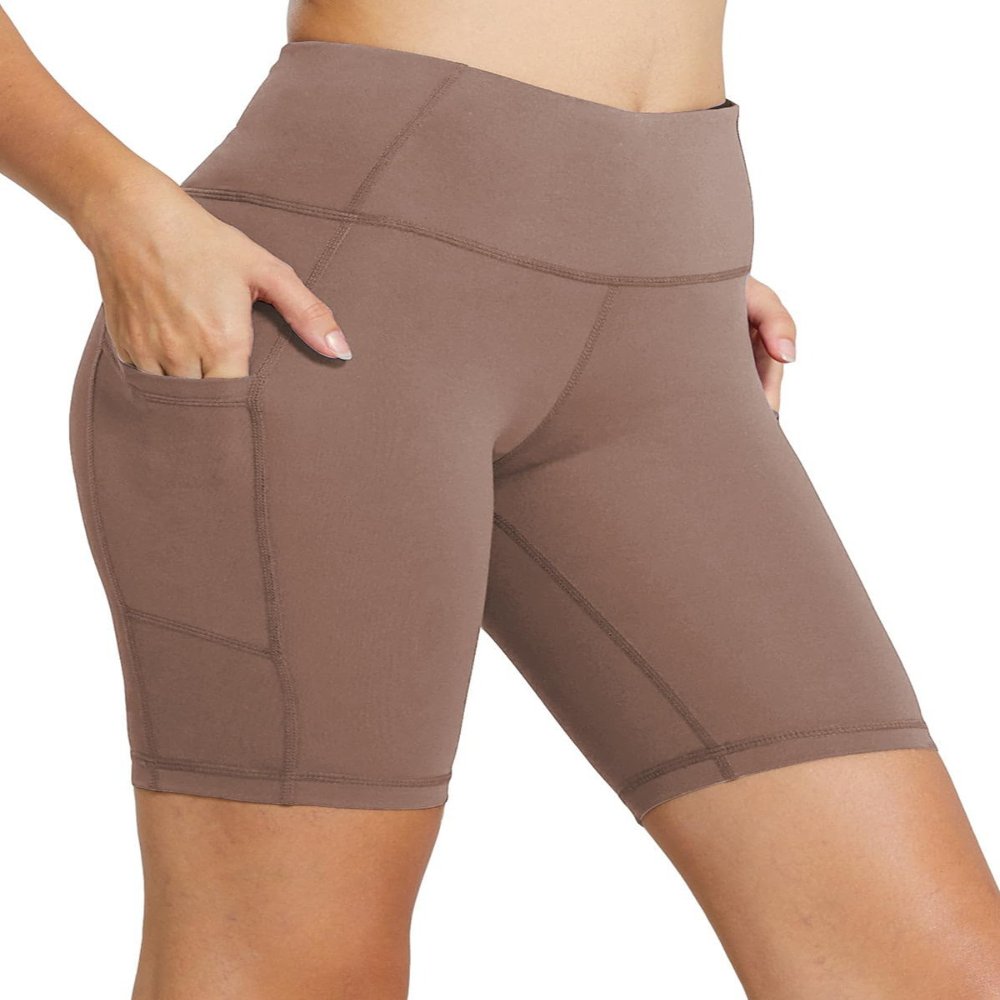
Pockets can be an important buying detail yet disappear from view when shorts are folded. Yihui presents pocketed yoga shorts style 60740 in its catalogue, giving buyers a concrete reference for a packing discussion. The aim is to carry that selected garment identity through the pack, rather than assuming that any similarly coloured shorts with the same size label are interchangeable.
Identify the selected pocketed garment
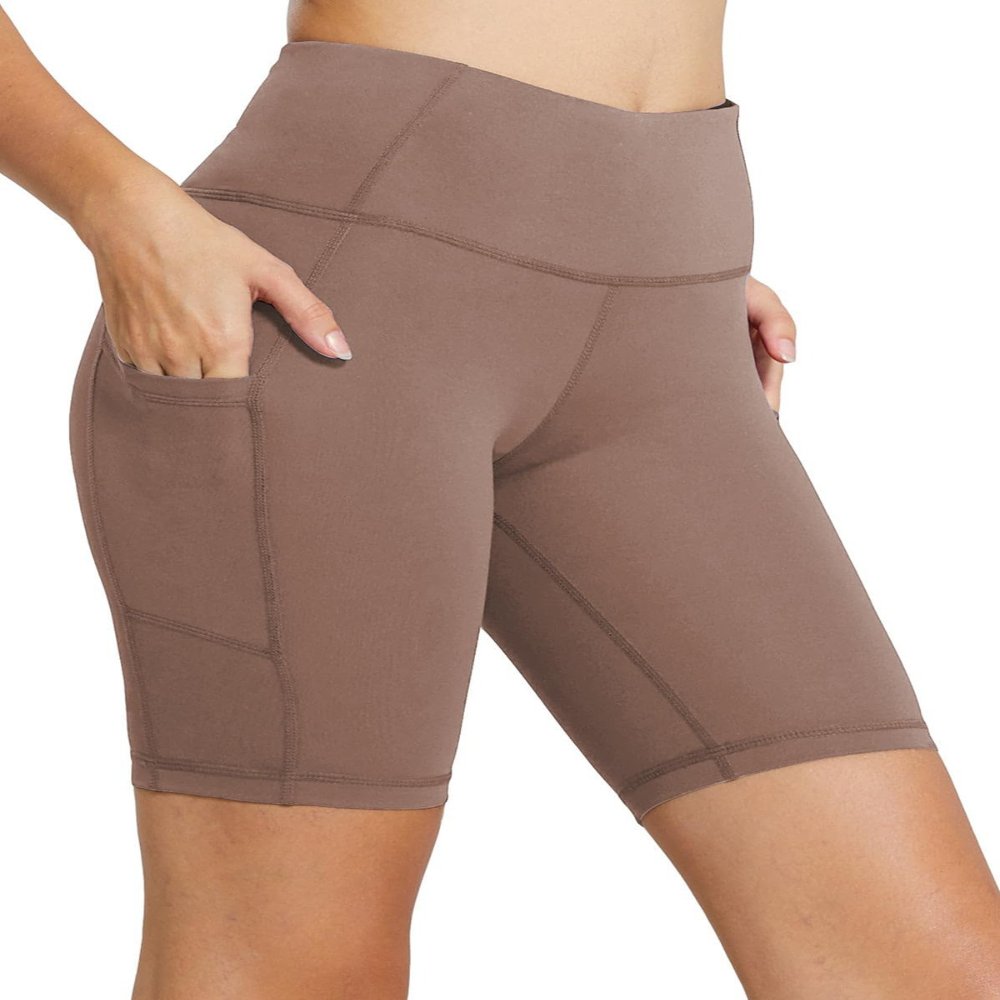
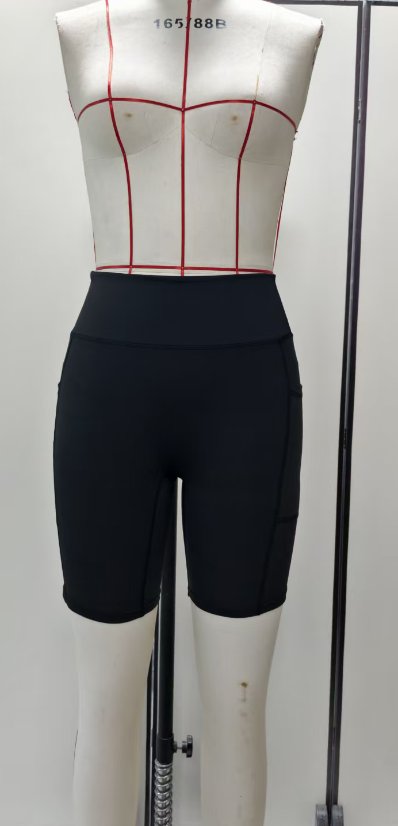
Record the product reference, selected colour and size before assigning a packing identifier. Keep a clear unfolded view that shows the visible pocket openings and garment outline. If the supplier offers another version, ask which details differ and give that alternative its own reference rather than combining it with the original style line.
The catalogue image of style 60740 shows the pocket area on a worn example. Use the image to identify the relevant design question, then check the actual sample. Do not infer usable pocket dimensions, phone compatibility or item retention from the photograph. Those requirements need their own measurements or agreed evaluation.
- Retain an unfolded view of the selected pocket layout.
- Match the packing code to style, colour and size.
- Reconcile unit, pack and carton quantities separately.
Review what the fold hides
Ask for a packed example that can be opened during review. Compare the outside identifier with the folded garment, then unfold it and check the selected reference. Note whether the chosen fold hides a pocket opening or another distinguishing detail. The label should still communicate identity even when that design feature is no longer visible.
Retain a photograph of the accepted packing sequence with the sample reference. This provides a practical guide for later checks without claiming that one fold prevents creasing, abrasion or transport damage. Agree any required packaging materials and protection separately; the catalogue product image does not define a finished retail packing method.
| Check point | Reference to retain | Potential mismatch |
|---|---|---|
| Unfolded garment | Selected pocketed style view | Another pocket or garment version |
| Folded example | Accepted sample reference | Distinguishing detail hidden |
| Retail label | Mapped style, colour and size | Code attached to wrong variant |
| Carton schedule | Individual variant counts | Correct total but wrong assortment |
Keep style, colour and size as separate fields
A short packing code may combine several fields, but the underlying mapping should remain visible. Record which supplier style, selected colour and garment size it represents. If the buyer uses another stock code, place both identifiers in the packing schedule so the supplier and receiving team can reconcile the same unit.
Yihui provides a size S example on the listing. That example can help identify the catalogue record, but it does not define every ordered size or a standard packing ratio. Request the relevant information for the actual assortment and keep size quantities explicit. Avoid building a carton schedule from an assumed progression or an illustrative size range.
Make mixed cartons an explicit choice
State whether cartons should contain one selected variant or an agreed mix. For a mixed carton, list each reference and its count rather than using a broad description such as yoga shorts assortment. Ask for any proposed changes to be highlighted. A correct total can still conceal a different size or colour breakdown.
Check the carton schedule against the accepted retail pack identifiers. If the order is repacked or split for different destinations, revise the mapping and retain the change record. Do not assume that the original label remains correct after the quantity basis or assortment arrangement has changed. Keep garment units, retail packs and cartons as separate counts.
Keep the final record useful at receiving
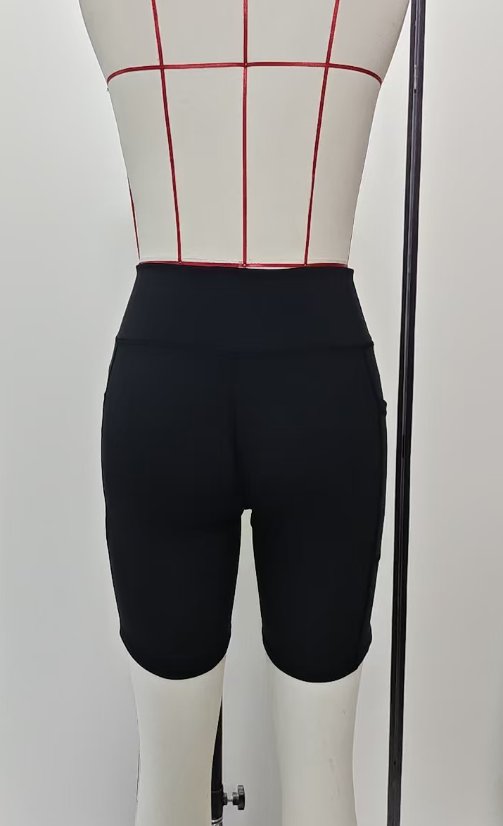
The receiving file should contain the selected garment view, accepted folded example, label mapping and final quantity schedule. Ask the reviewer to trace one reference across all four before approval. Record any unanswered question rather than leaving the receiving team to decide whether a different pocket layout is an acceptable substitute.
Keep product claims separate from this identity check. The listing uses language about fabric feel and performance, but packing approval does not independently verify those descriptions. If a selling claim or material declaration is required, obtain the appropriate information for the actual selected variant. The packing record should remain a precise account of what has been agreed to arrive.
Frequently Asked Questions
Can a pocket photo prove that a phone will fit?
No. Ask for the relevant dimensions and evaluate the actual sample against the requirement rather than inferring capacity from the image.
Is colour plus size enough for a packing identifier?
Keep the selected style reference too. Similar colours and sizes can occur across different shorts designs.
Does the catalogue establish the carton assortment?
No. State the requested breakdown and obtain confirmation for the current order. Keep illustrative catalogue information separate.
Does approving a fold verify fabric performance?
No. Packing identity and material or performance evidence answer different questions and should remain separate records.
Send the packing reference and requested assortment through Yihui contact. Keep the accepted response with the physical sample and consult the catalogue or blog archive when defining another product line.